What 89 Podcast Conversations Taught Me About Listening
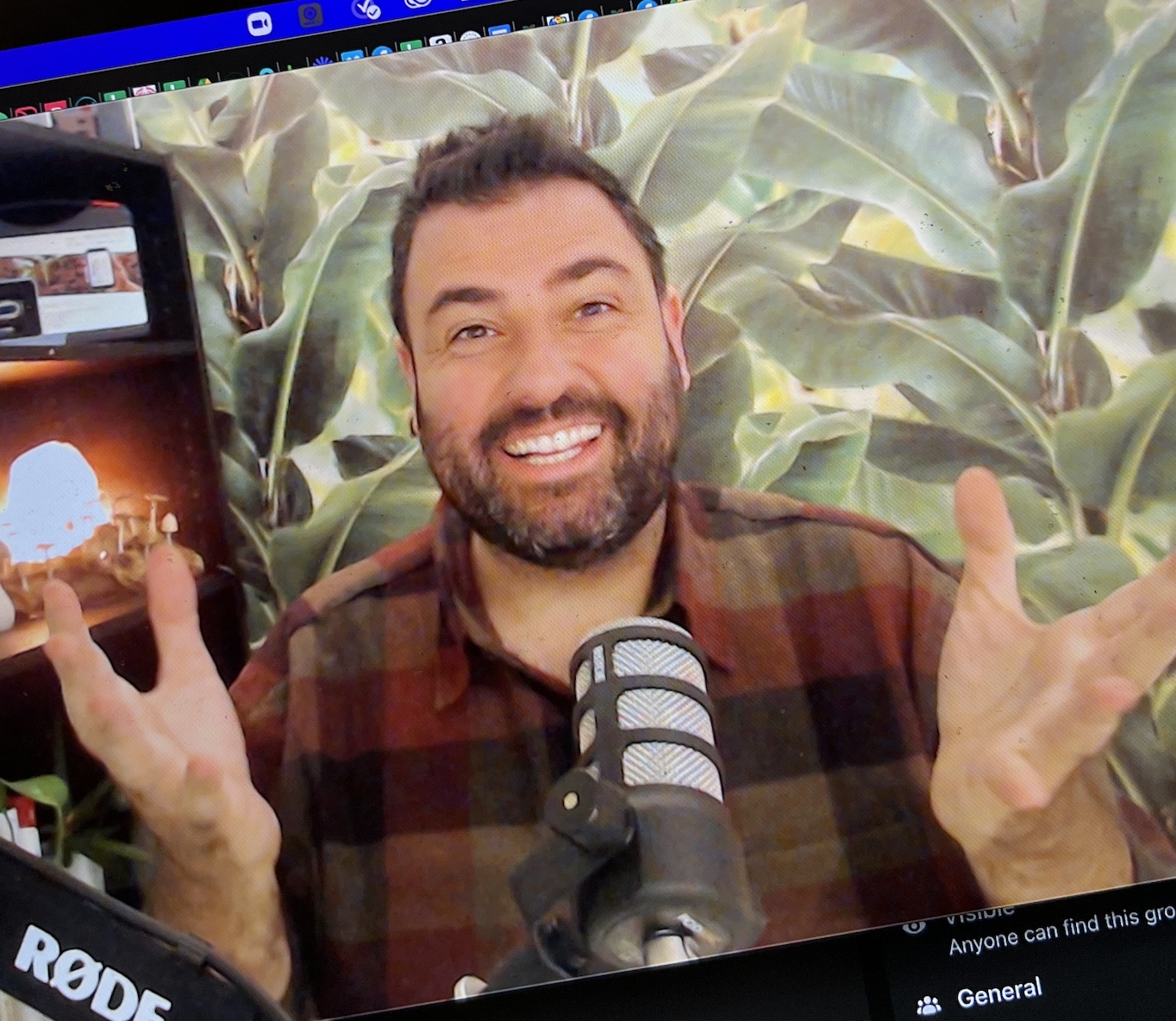
When I recorded episode one of Secrets of the Soil I had a decent microphone, a rough idea of what I wanted to say, and genuinely no idea what I was doing.
89 episodes later, I can say with some confidence that podcasting is one of the most unexpectedly educational things I’ve ever done. Not because of what I’ve learned about soil — though that’s been extraordinary — but because of what I’ve learned about listening.
Most people wait to talk. Great guests teach you to wait to understand.
Early on I would prepare ten questions and feel anxious if we weren’t moving through them fast enough. I thought my job was to guide the conversation. What I slowly realised is that the best conversations happen when you let go of your agenda and follow the thread the guest is actually pulling on.
There’s a difference between hearing someone’s answer and actually sitting with it long enough to feel what it’s pointing toward. The second kind of listening is rarer than it should be.
Silence is not dead air. It’s thinking space.
I used to rush to fill pauses. Now I know that the three seconds after someone finishes a sentence is often where the real answer lives. Some of the most honest things I’ve heard on the podcast came because I didn’t immediately jump in with the next question.
“The best interview I ever did had fifteen minutes of what I thought was going nowhere. Then my guest said something I’ve quoted in every talk I’ve given since.”
Every expert was once a beginner who just stayed curious
I’ve talked to world-class soil scientists, farmers who’ve been on the land for 50 years, indigenous custodians with knowledge that goes back generations. Not one of them presented as a finished product. They were all still learning, still asking questions, still willing to say “I don’t know” when they didn’t.
That’s done something to the way I show up in my own work. The pressure to appear like I have it all figured out has genuinely loosened. Being curious is more useful than being certain.
Stories change more minds than data
I’ve lost count of the number of times a farmer has explained the science of soil carbon sequestration — and it lands okay. But when they describe standing in their paddock and seeing the first earthworm after five years of regenerative practice, watching as their eyes well up? That’s the moment something shifts in a listener.
Data informs. Story moves. If you’re leading anything — a team, a campaign, a community — and you haven’t figured out your story yet, that’s the work.
If you want to hear some of those conversations for yourself, the whole archive is waiting at secretsofthesoil.com.